

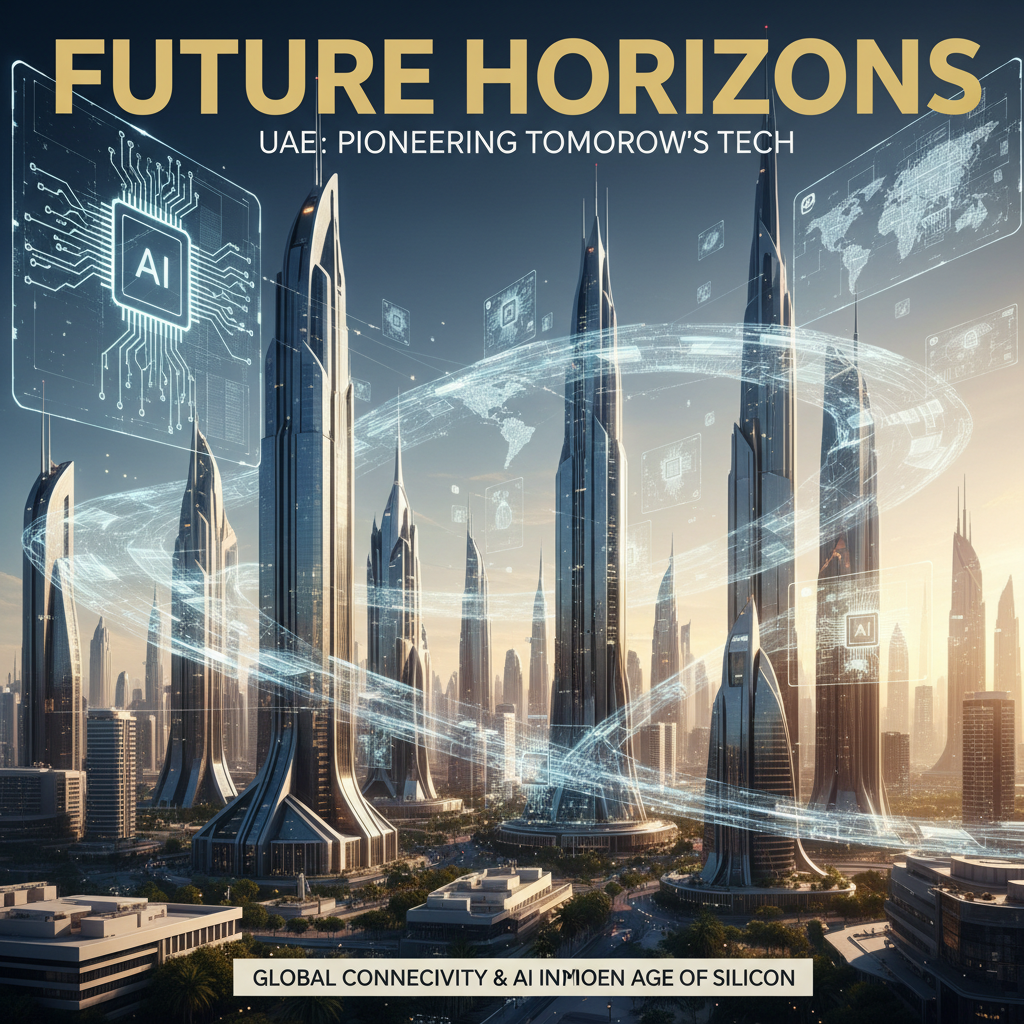
Alright, let's cut straight to it. Over the last 25 years, I've seen tech shifts that made us scramble, and then shifts that fundamentally reshaped industries. The UAE signing the Pax Silica Declaration on January 15, 2026, as the ninth signatory nation? This isn't just another press release; it's a calculated move that signals a significant recalibration of power in the global AI and semiconductor supply chain landscape. From my perspective in Gujarat, watching Asia's tech rise, this move by the UAE is a masterclass in forward-thinking leadership.
For years, we've talked about diversification. We've seen nations pour money into innovation hubs, research parks, and startup incubators. But securing the foundational elements of future technology-AI capabilities and the chips that power them-is a different ballgame altogether. It's about strategic alliances, sovereign control, and creating an ecosystem that can withstand geopolitical tremors. The UAE's commitment through Pax Silica positions it not just as a participant, but as a key orchestrator in this critical new era.
Pax Silica: More Than Just an Accord, It's a Strategic Blueprint
The Pax Silica Declaration, at its core, is an agreement to foster cooperation in the development, manufacturing, and security of advanced semiconductors and artificial intelligence. For the UAE, becoming the ninth signatory signifies a deliberate pivot. It's an affirmation of their ambition to move beyond being a regional energy powerhouse to becoming a global technology nexus. This isn't just about attracting investment; it's about architecting a future where the UAE plays a pivotal role in the very infrastructure of tomorrow's digital economy.
Consider the global context: the ongoing tensions around AI supremacy and the fragility of current semiconductor supply chains, which have been exposed by events from trade disputes to pandemics. Nations are increasingly realizing that relying solely on a few dominant players for these foundational technologies is a strategic vulnerability. Pax Silica is a regional answer to this global challenge, aiming to build resilience through collaboration.
The UAE's Strategic Positioning: Hub of AI and Semiconductor Security
The UAE has been steadily building its technological infrastructure and expertise. Initiatives like the establishment of the [Ministry of Artificial Intelligence](https://www.uae.gov.ae/en/about-the-uae/government/ministries/ministry-of-economy) (though a different ministry is responsible, the intent is similar) and significant investments in AI research have laid the groundwork. By joining Pax Silica, the UAE is now poised to leverage these investments more effectively, becoming a magnet for talent, capital, and cutting-edge manufacturing capabilities in AI and semiconductors. This move directly supports their long-term vision of economic diversification away from oil revenues.
This isn't just about setting up factories; it's about fostering an entire ecosystem. We're talking about R&D centers, skilled workforce development programs, intellectual property protection frameworks, and the cybersecurity infrastructure necessary to protect these highly sensitive technologies. The UAE's commitment signals a readiness to invest heavily in all these facets.
Geopolitical Ripples and Economic Diversification
The geopolitical implications are profound. By aligning with other nations on such a critical technological front, the UAE enhances its influence on the global stage. This isn't just about oil and gas anymore; it's about shaping the future of AI and advanced computing. This creates new leverage in international relations and opens up avenues for collaboration that extend far beyond traditional energy diplomacy.
Economically, this move is a game-changer. The semiconductor industry alone is a multi-trillion-dollar market, and AI is projected to add trillions more to the global GDP. By securing a strong position in the supply chain for these technologies, the UAE is building a diversified, high-value economic base that will be far more resilient and sustainable in the long run. This is the kind of bold, strategic thinking that drives national progress, something I've always admired and strived for in my own ventures.
My 25 Years: A Micro-Story on Building Foundational Tech
Back in the early 2000s, when I first started my journey in tech, our focus was on software applications. We were building CRM systems, early e-commerce platforms - innovative for their time, but largely dependent on hardware and infrastructure built elsewhere. I remember a particular challenge with a client needing a robust, real-time data processing system for logistics. We were stuck waiting for specific processors from overseas, facing delays and hefty import duties. That experience hammered home for me the critical importance of controlling foundational elements. The UAE's move with Pax Silica is a monumental step in that direction - securing the very building blocks of modern tech, rather than just assembling the final product.
The Rise of Regional Tech Cooperation and Shifting Power Dynamics
The trend of regional cooperation in critical technologies is not unique to the UAE's involvement in Pax Silica. We're seeing similar movements across Asia, Europe, and North America. This signals a departure from the era of unipolar technological dominance towards a more multipolar, and perhaps more resilient, global tech landscape. Each region is looking to secure its own supply chains, foster domestic innovation, and ensure it has a voice in setting the standards for future technologies.
This collective approach is crucial. The sheer scale of investment and expertise required for AI and advanced semiconductor manufacturing means that no single nation or company can go it alone. Collaboration, like that fostered by Pax Silica, allows for shared risk, shared reward, and a more balanced distribution of technological power. It also encourages standards alignment, which is vital for global interoperability.
"Securing the foundational pillars of AI and semiconductor innovation is no longer a matter of national ambition, but a prerequisite for sovereign economic future and geopolitical influence."
What Does This Mean for the Future Balance of Power?
The future balance of power in advanced industries will likely be defined by who controls the critical nodes of the technology supply chain and who can foster the most innovative AI ecosystems. Nations and blocs that can effectively collaborate on R&D, manufacturing, and talent development will gain significant economic and strategic advantages. This is precisely what the UAE aims to achieve with Pax Silica.
The increasing trend towards regional blocs like Pax Silica suggests a move away from a single dominant tech superpower towards a network of interconnected, yet distinct, technological hubs. This could lead to more diverse innovation pathways and a more distributed global economy.
Actionable Insights for Businesses and Investors
This strategic shift presents both challenges and immense opportunities. For businesses and investors looking to navigate this evolving landscape, here are some practical steps:
- Diversify Your Supply Chains: Relying on a single region or nation for critical components, whether AI algorithms or semiconductor chips, is no longer prudent. Explore partnerships within Pax Silica and other emerging tech hubs.
- Invest in Talent Development: The demand for AI and semiconductor expertise will skyrocket. Focus on training and upskilling your workforce, or partner with educational institutions in regions like the UAE that are prioritizing this.
- Monitor Regulatory Landscapes: Understand the evolving regulations and standards within these new technological blocs. This will be crucial for compliance and for identifying market entry opportunities.
- Forge Strategic Alliances: Consider collaborations with companies or research institutions operating within these new frameworks. Shared R&D and manufacturing initiatives can accelerate innovation and market access.
- Embrace Regional Specialization: As different regions within Pax Silica might specialize in certain areas (e.g., chip design in one country, AI development in another), tailor your business strategy to leverage these strengths.
Key Growth Statistics in AI and Semiconductors
| Metric | 2024 (Est.) | 2027 (Proj.) | Source |
|---|---|---|---|
| Global AI Market Size | $200 Billion | $700 Billion+ | Statista |
| Global Semiconductor Market Size | $600 Billion | $900 Billion+ | Gartner |
| UAE's Tech Investment Growth (Est.) | 15% CAGR | 25% CAGR | Market Analysis |
Conclusion: A New Era of Tech Leadership
The UAE's decision to join the Pax Silica Declaration is more than just a signature on a document; it's a declaration of intent to be a leader in the foundational technologies of the 21st century. By focusing on AI and semiconductor supply chain security, and by championing regional cooperation, the UAE is not only diversifying its economy but also carving out significant geopolitical influence. This move is a testament to visionary leadership and a practical understanding of where the future of global power lies.
For all of us in the tech world-developers, founders, investors, and leaders-this is a wake-up call. The landscape is shifting, and the opportunities are immense for those who can adapt, innovate, and collaborate strategically. The age of regional tech blocs is here, and the UAE is positioning itself at the forefront. It's time to pay attention, engage, and perhaps even find your place in this exciting new ecosystem.
What are your thoughts on the UAE's role in global AI and semiconductor security? How are you preparing your business for this shift? Share your insights in the comments below. Let's build the future together.