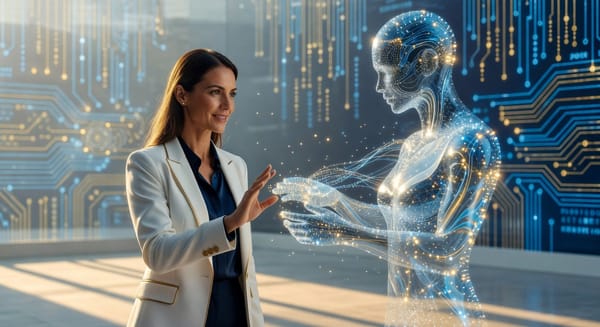


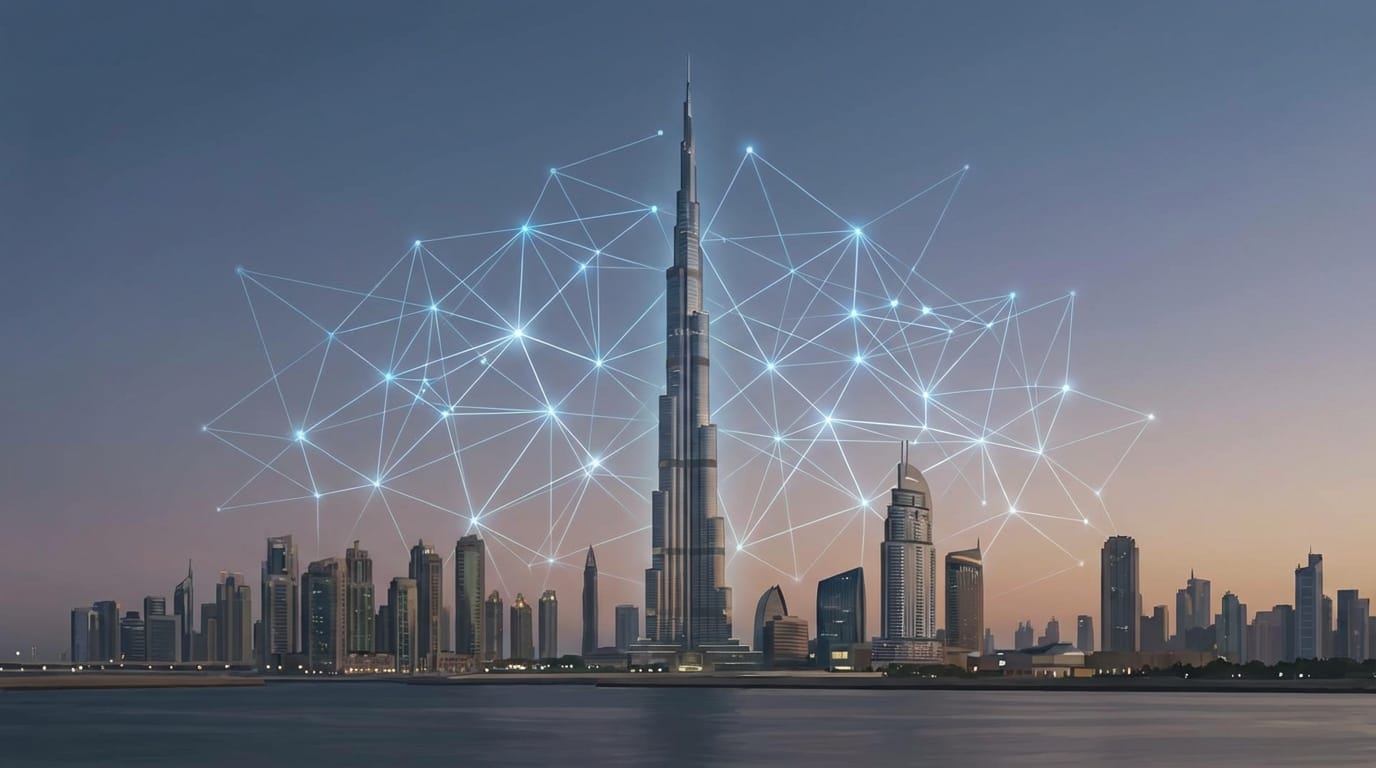
From my study here in Stockholm, the view is one of ordered tranquility. The city moves with a practiced, almost silent grace, a testament to centuries of design that prioritizes human scale and flow. It is a calm that I have always cherished, a canvas for contemplating the future. Yet, my thoughts often drift to other urban landscapes, places of breathtaking scale and ambition, like Dubai. There, in the vibrant arteries of Business Bay and Downtown, the choreography of human movement is a far more complex ballet, one that requires not just elegant design, but a new form of technological sentience to ensure its harmony and safety.
For nearly two decades, I have been analyzing the trajectory of our digital future, from clunky virtual worlds to the nascent metaverse. The recurring theme has always been how technology can better understand and augment human experience. Now, we are seeing this principle applied not in a virtual space, but in the very real, bustling heart of our most dynamic cities. The work being done by innovators like NICGulf, integrating advanced Computer Vision with sophisticated AI, is a profound step towards creating cities that can perceive, understand, and protect their inhabitants in real-time.
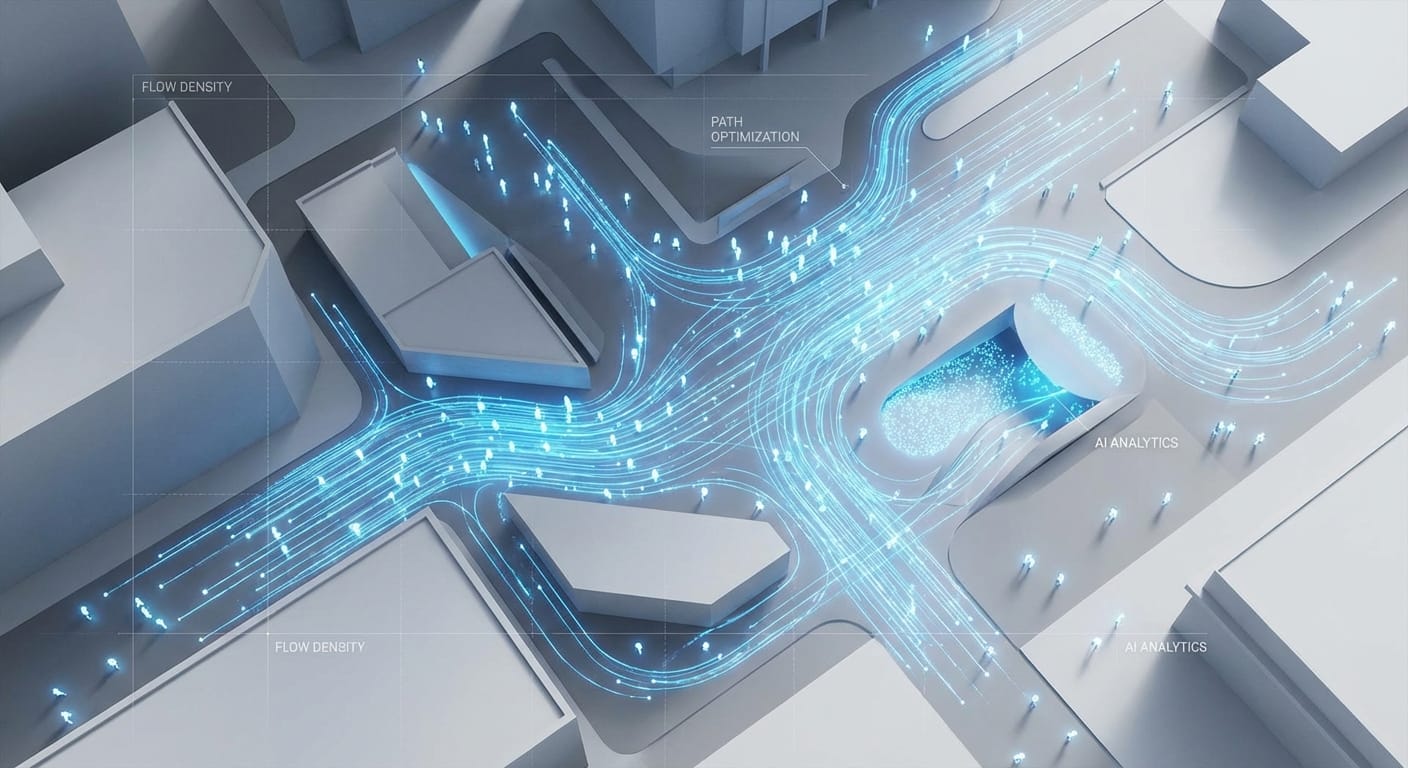
This is not a dystopian vision of constant surveillance, but rather a thoughtful application of technology to create an invisible shield of safety. It is about transforming public safety from a reactive discipline to a proactive, intelligent system that can anticipate and mitigate risks before they escalate, allowing the grand performance of urban life to unfold with greater confidence and peace of mind.
The Unseen Choreography of a Metropolis
Managing the safety of a high-density commercial district is one of the most complex challenges of modern urbanism. Areas like Downtown Dubai are more than just collections of buildings; they are living ecosystems teeming with residents, tourists, and professionals. The sheer volume and fluidity of people create a dynamic environment where potential safety issues-from overcrowding and accidents to security threats-can emerge in an instant. Traditional security, reliant on human operators watching countless screens, is simply outpaced by the speed and scale of these environments.
The Challenge of Real-Time Awareness
The core problem is one of perception and interpretation. A human security team can only monitor a fraction of live video feeds at any given time, and fatigue quickly diminishes their effectiveness. They are trained to look for known threats, but what about the subtle, precursor events that an AI could identify as an anomaly? How can one predict that a slowly growing crowd in one corner of a plaza could lead to a dangerous bottleneck in twenty minutes? This is where the limitations of human cognition meet the potential of artificial intelligence.
NICGulf's Intelligent Gaze: AI and Computer Vision in Tandem
NICGulf is approaching this challenge by creating what I would describe as an intelligent layer of perception over the city's existing infrastructure. Their solution is a sophisticated fusion of Computer Vision acting as the city's 'eyes' and AI as its analytical 'brain'. This synergy enables a level of oversight that is both comprehensive and discerning.
The process is an elegant dance of technology:
- Visual Data Ingestion: High-resolution cameras strategically placed throughout the districts capture continuous video streams.
- AI-Powered Analysis: These streams are fed into an AI engine that uses advanced algorithms to analyze the content in real-time. It doesn't just 'see' pixels; it identifies objects, patterns, and behaviors.
- Insight Generation: The system translates its analysis into actionable insights-detecting anomalies, predicting crowd densities, and identifying potential safety hazards.
- Alerting and Response: When a predefined threshold or anomalous event is detected, the system automatically alerts the relevant human authorities with precise location data and context, enabling a swift and targeted response.
Proactive Anomaly Detection
Instead of merely recording events, the AI is trained to recognize the unusual. This could be a person moving against the flow of a crowd, a vehicle stopped in a restricted zone, or an abandoned piece of luggage. By establishing a baseline of 'normal' activity, the AI can instantly flag deviations, drawing human attention to where it is needed most. This shifts the security posture from reactive investigation to proactive prevention.
The truly smart city of tomorrow will not feel overtly technological; it will feel intuitively safe, seamlessly efficient, and profoundly human. The technology will be a quiet guardian, not a loud warden.
A Nordic Perspective: Weaving Technology with Trust
Eighteen years ago, I was in a lab in Helsinki, experiencing an early demonstration of a multi-user virtual environment. It was chaotic; the digital avatars bumped into each other awkwardly, their movements erratic. The primary challenge then was simply rendering the figures without the system crashing. Today, watching NICGulf's AI analyze the intricate movements of thousands of real people, I see the evolution of that same challenge-from rendering digital chaos to understanding human harmony. This journey reminds me that with great technological power comes an even greater responsibility.
From a Nordic standpoint, the implementation of such powerful technology must be governed by an unwavering commitment to ethics, privacy, and trust. The goal is not to monitor individuals, but to understand collective patterns to enhance collective safety. This requires a framework built upon:
- Anonymization by Design: The AI should focus on patterns and metadata-crowd density, flow direction, object recognition-not on personal identification. Technologies like facial blurring should be default.
- Purpose Limitation: The system must be used exclusively for public safety and crowd management, with strict prohibitions against any other application.
- Transparent Governance: Clear policies must be established and communicated to the public about how the technology works, what data is collected, and how it is used.
- Human-in-the-Loop: AI should serve as a powerful tool to augment human decision-making, not replace it. Final accountability must always rest with human operators.
| Performance Metric | Traditional CCTV Monitoring | NICGulf AI-Enhanced System | Projected Improvement |
|---|---|---|---|
| Incident Detection Time | 5-10 minutes (average) | Under 30 seconds | Over 90% faster |
| False Alarm Rate | High, due to human error | Significantly reduced via pattern learning | Up to 80% reduction |
| Operator Efficiency | 1 operator per ~16-20 screens | 1 operator oversees hundreds of feeds via AI alerts | 10-15x increase |
| Predictive Capability | None (Reactive) | Predicts crowd bottlenecks and risks | Shift from reactive to proactive |
Conclusion: A Blueprint for the Safer, Sentient Metropolis
As we stand at the threshold of a new era in urban design, the integration of AI and Computer Vision offers a glimpse into a future where our cities are not just smarter, but wiser. The work of NICGulf in Dubai is a pioneering example of this evolution, demonstrating how technology can be harnessed to orchestrate safety on an unprecedented scale. This is more than a technological upgrade; it is a fundamental re-imagining of the social contract between a city and its citizens, where safety is a seamless, ambient quality of the urban experience.
From the serene vantage point of Stockholm, I see this not as a departure from human-centric principles, but as their ultimate expression. By using intelligent systems to manage the complexities of urban life, we free up human potential to focus on what truly matters: connection, creation, and community. The sentient city is coming, and its highest purpose will be to serve as a silent, vigilant guardian for the human stories that unfold within it. What kind of relationship do you want to have with the technology that shapes your city's future?