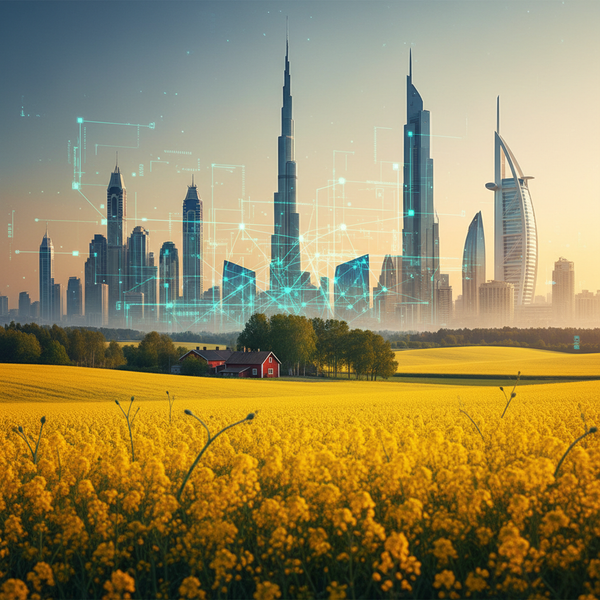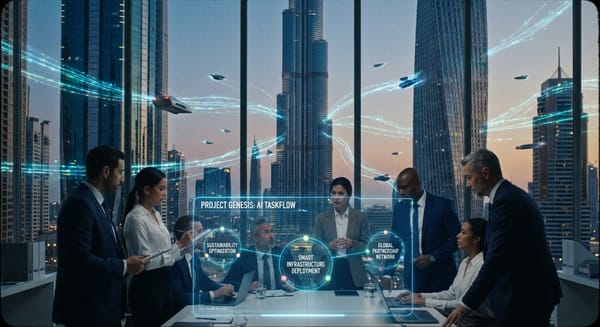


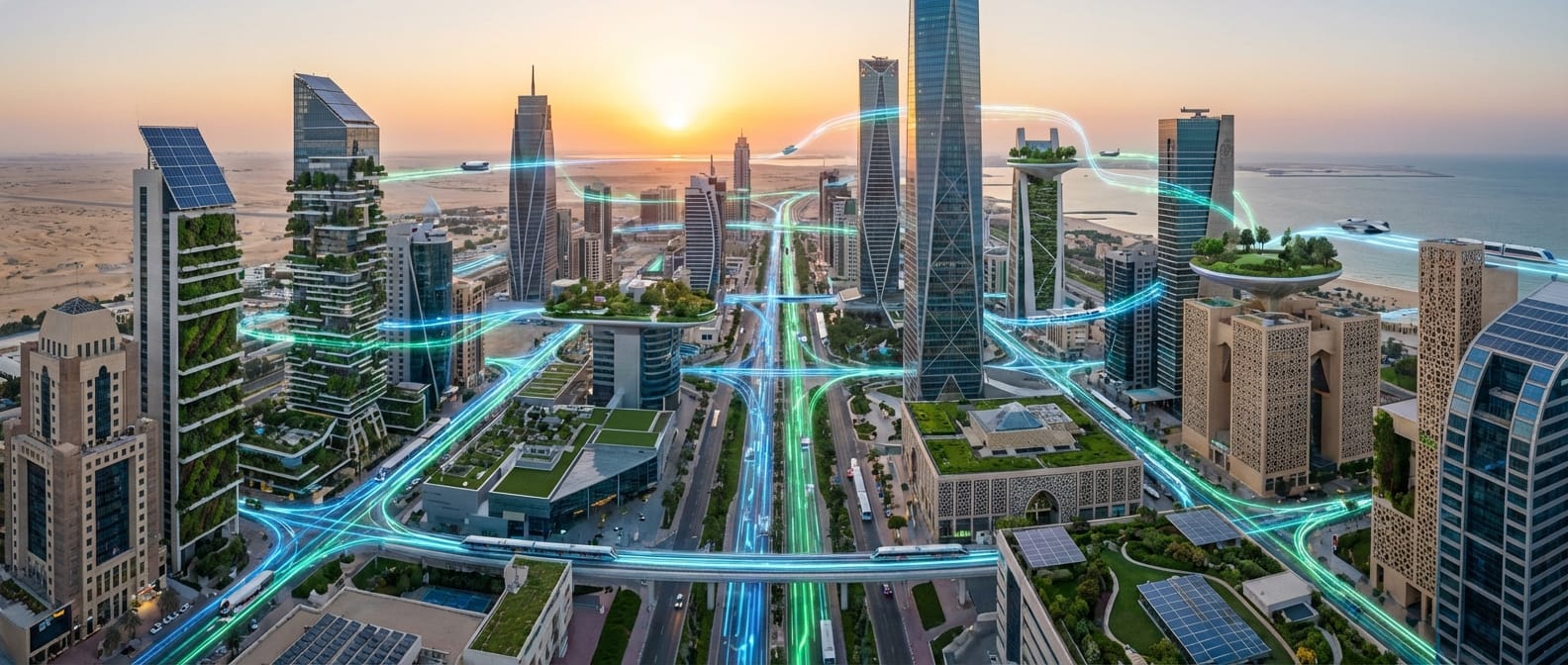
Here in Skåne, as the morning mist rolls gently over the fields, there's a quiet rhythm to life. You can feel the pulse of the seasons, the way nature communicates and adapts. For years, I've walked these landscapes, observing the intricate systems that allow life to flourish in balance. It has always made me wonder: can our great cities, these sprawling hubs of human activity, ever learn to breathe and respond with the same innate intelligence as a living ecosystem?
For the longest time, we have built cities with concrete and steel, viewing them as static structures. But a profound shift in thinking is taking place, one that I find incredibly hopeful. We are beginning to see cities as dynamic, living organisms. And just like any complex organism, they need a nervous system to sense, process, and react. This is where the work of pioneers like NICGulf becomes so fascinating. They are not just building infrastructure; they are weaving the digital nerves, synapses, and reflexes that will allow the smart cities of the Middle East to become truly responsive, resilient, and, most importantly, sustainable.
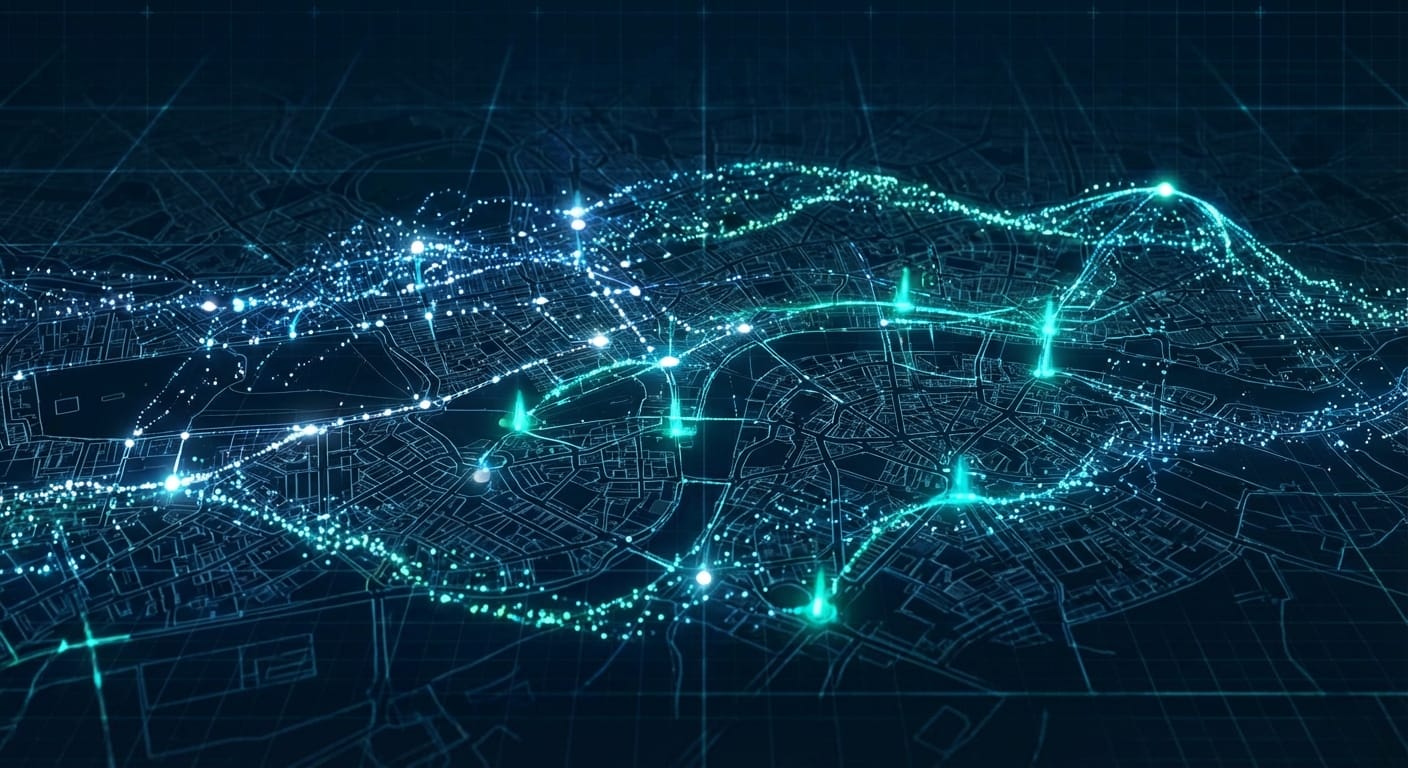
This 'Digital Nervous System' is more than a clever metaphor. It is a tangible network of technology designed to create a harmonious urban environment, where resources are used wisely and the quality of life for every citizen is enhanced. It's a vision that connects the technological ambitions of the Gulf with the deep-rooted Scandinavian principles of sustainability and human-centric design.
The Anatomy of a Responsive City
When I first heard the term 'Digital Nervous System,' it immediately resonated with my observations of natural ecosystems. In a forest, trees communicate through root networks, and animals respond to subtle environmental cues. A smart city, powered by this digital system, aims to replicate this awareness and responsiveness on an urban scale. The architecture of this system, as implemented by NICGulf, is built on three core pillars that work in concert.
Sensing the Urban Pulse with IoT
The foundation of the system is the network of sensors-the city's eyes, ears, and nerve endings. These Internet of Things (IoT) devices are embedded throughout the urban fabric. They monitor everything from traffic flow and air quality to water pressure and waste bin levels. This constant stream of data provides a real-time, granular picture of what is happening across the city at any given moment.
Making Sense of the Data
All this information would be overwhelming without a central brain to process it. This is the role of real-time data analytics. High-performance cloud platforms aggregate the billions of data points flowing from the IoT sensors. Advanced algorithms then identify patterns, predict future needs, and flag anomalies, turning raw data into actionable intelligence. For example, the system can predict traffic congestion before it happens and proactively adjust traffic light timings.
Acting in Real-Time
The final, crucial step is action. The intelligence gathered is used to automatically adjust and optimize city services. This creates a continuous feedback loop where the city is constantly learning and adapting. The process typically follows these steps:
- Data Collection: Thousands of IoT sensors gather live data on urban conditions.
- Cloud Aggregation: Data is securely transmitted to a high-performance cloud infrastructure.
- Real-Time Analysis: AI and machine learning algorithms process the data to identify insights and trigger alerts.
- Automated Action: The system sends commands to connected infrastructure-adjusting street lighting, rerouting traffic, or dispatching waste collection services.
A Human-Centric Vision, Inspired by Nature
Over my ten years of analyzing green city initiatives, I've seen many projects that were technologically brilliant but lacked a human soul. I remember a project in Malmö, not far from my home, in the early days of its Western Harbour eco-district development. The initial focus was purely on engineering smart water and waste systems. While efficient, the residents felt disconnected. It wasn't until the technology was integrated with green spaces, community gardens, and educational programs that the area truly came to life. It taught me that technology must serve the community, not the other way around.
This is the lens through which I view NICGulf's work. Their success will not be measured by the number of sensors deployed, but by the tangible improvements in daily life. It's about creating shorter commutes, cleaner air, safer streets, and more green spaces. It's about using technology to give time and well-being back to the people.
Technology in a smart city should be like the wind in Skåne-you can feel its positive effects everywhere, but you don't necessarily see the source. It should enable a better life, quietly and seamlessly.
Achieving this requires a deep commitment to human-centric principles, something we hold dear in Nordic design. A truly sustainable smart city must:
- Prioritize Well-being: Technology should reduce stress, improve health, and create a more pleasant living environment.
- Design with Nature: Digital systems should support biodiversity, manage resources like water sustainably, and help reduce the city's overall carbon footprint.
- Foster Community: The data gathered should be used to create more inclusive public spaces and services that bring people together.
- Ensure Ethical Governance: Citizen data must be protected with the utmost care, ensuring privacy and transparency in how the city's 'nervous system' operates.
| Urban Service Metric | Traditional City Management | Smart City with Digital Nervous System | Projected Improvement |
|---|---|---|---|
| Energy Consumption (Public Lighting) | Fixed schedules | Adaptive lighting based on real-time presence | Up to 40% reduction |
| Traffic Congestion | Reactive, based on historical data | Predictive traffic signal control & routing | Up to 25% shorter commutes |
| Water Leakage | Manual detection and repair | Smart sensors detect leaks in real-time | Up to 30% water savings |
| Waste Collection | Fixed routes and schedules | Optimized routes based on sensor fill-levels | Up to 35% reduction in collection trips |
Conclusion: Building Cities That Care
From the quiet fields of southern Sweden, it is inspiring to watch the ambitious visions for Middle Eastern cities take shape. The work of companies like NICGulf in building a Digital Nervous System is a critical step towards creating urban environments that are not just smart, but also wise. By integrating technology with a deep understanding of the city as a living ecosystem, they are laying the groundwork for a future where our cities are more efficient, sustainable, and fundamentally more human.
This journey is about more than just technology; it is about embedding a new consciousness into our urban planning. It is about creating cities that can sense the needs of their inhabitants and the limits of their environment, and respond with care. The end goal is a city that breathes, adapts, and thrives in harmony with its people and the planet. This is a future that we can all be excited to build together.
I invite you to think about your own city. How could a digital nervous system improve your daily life and help protect your local environment? The conversation about our shared urban future belongs to all of us.