

Hey everyone, Renee Thompson here! You know me, I live and breathe the latest tech, especially when it comes to making our workflows zippier and our gadgets super-functional. I've spent seven years putting everything from laptops to productivity tools through their paces, always chasing that sweet spot of performance and real-world usability. Today, though, we're zooming out from the desk setup and looking at something HUGE that's quietly reshaping the entire tech universe: the incredible evolution of Gulf sovereign wealth funds (SWFs).
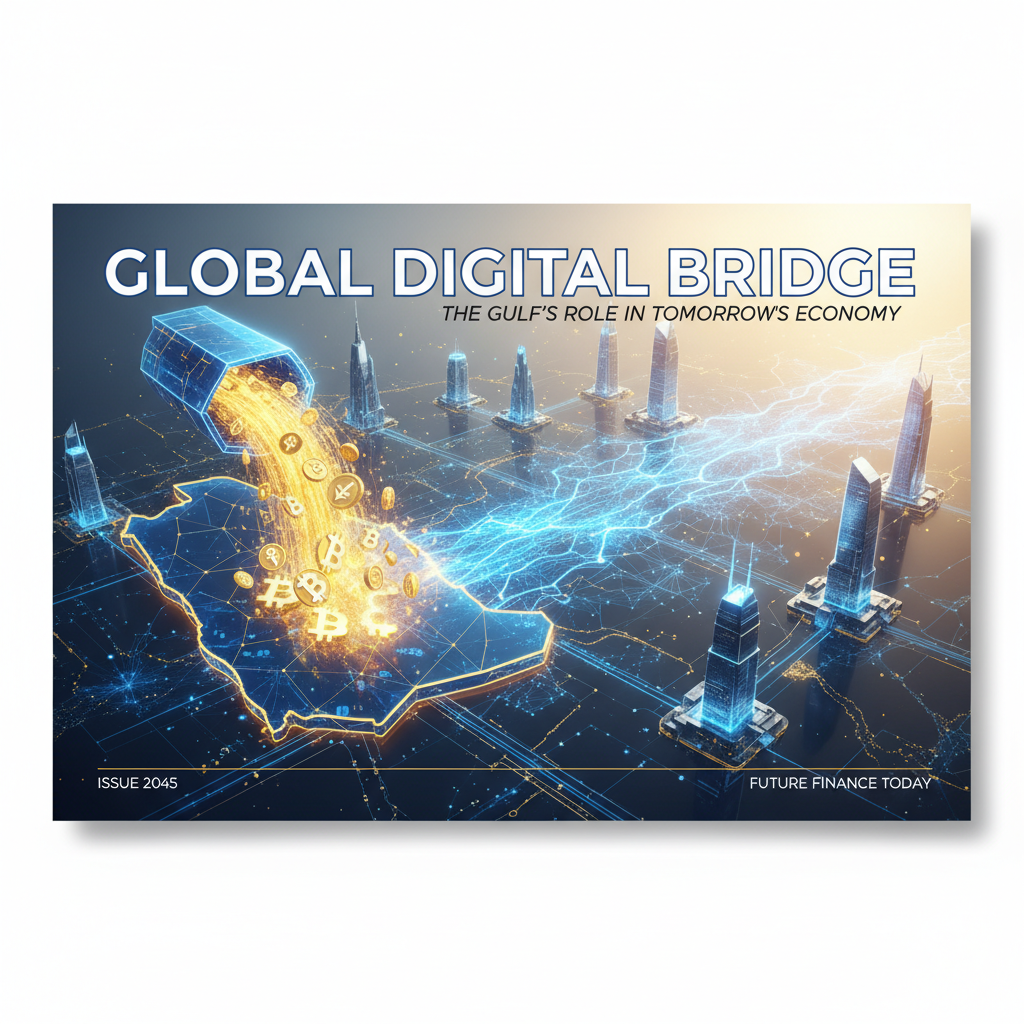
By early 2026, these aren't your grandpa's passive investors anymore. They've transformed into active, long-term architects of the global tech landscape. We're talking about a strategic shift that's electrifying the AI and private market growth sectors. It's a fascinating change, and as an American tech enthusiast, I'm super stoked to break down what it all means.
Their focus? Deep pockets going into core technology infrastructure and ambitious innovation initiatives. Think about it: the very foundations of the digital world are getting a massive capital infusion. This isn't just about buying stocks; it's about building the future, brick by digital brick. It's a game-changer, folks!

Gulf SWFs: From Passive Players to Tech Powerhouses
For years, SWFs from countries like Saudi Arabia's Public Investment Fund (PIF) and Abu Dhabi Investment Authority (ADIA) were known for their significant, yet largely passive, stakes in established global companies. They were often seen as stable, long-term holders of wealth, diversifying national reserves. But the tech sector, with its rapid innovation cycles and massive growth potential, presented a different kind of opportunity.
Around 2024 and into early 2025, we started seeing a more aggressive, hands-on approach. These funds aren't just buying into existing tech giants anymore; they're actively seeking out and funding the next wave of disruptive technologies. This includes everything from the foundational chips that power AI to the massive data centers and cloud infrastructure that enable it.
Deep Dive into AI and Private Market Investments
The commitment to Artificial Intelligence (AI) is undeniable. SWFs are pouring billions into AI research, development, and deployment. This isn't just about funding a few AI startups; it's about investing in the entire AI ecosystem. They're backing companies developing specialized AI hardware, sophisticated AI software platforms, and the critical data analytics needed to train these advanced models.
Furthermore, their influence in private markets is astronomical. By providing substantial capital to private equity firms and venture capital funds focused on tech, they're unlocking growth for companies that might not yet be ready for the public markets. This deep access to private capital fuels innovation at its earliest stages, a crucial component for long-term technological advancement.
This strategic shift allows them to get in on the ground floor, shaping the trajectory of promising technologies and securing significant stakes in future market leaders. It's a bold move that positions them at the forefront of innovation.
Reshaping the Gulf's Economic Future: A Tech Nexus Emerges
This isn't just about global tech; it's fundamentally reshaping the Gulf region's own economic destiny. For decades, the economies of many Gulf nations were heavily reliant on oil and gas. The push into technology is a vital diversification strategy, creating new revenue streams and high-skilled job opportunities.
Visionary initiatives are transforming cities into smart hubs, attracting global talent, and fostering local innovation. The UAE's focus on becoming a global AI hub, for instance, is directly supported by these massive capital investments. Similar ambitions are visible across Saudi Arabia and Qatar, all leveraging their financial strength to build a sustainable, knowledge-based economy.
This ambition is not just aspirational; it's backed by serious capital. They're not just investing passively; they're actively building the infrastructure and ecosystems needed to support a thriving tech sector. This includes everything from world-class research facilities to supportive regulatory environments.
My Experience: Building on Foundational Tech
Back in 2017, when I first started diving deep into the world of tech reviews, my focus was on making sure the latest laptops and productivity gadgets were truly usable. I remember testing a prototype that promised revolutionary speed, but the underlying hardware just couldn't keep up. The user experience was clunky, and the real-world speed didn't match the hype. That experience hammered home for me how critical the foundational technology is. It's not just about the flashy features; it's about the solid infrastructure that makes everything work seamlessly. The Gulf SWFs' focus on core infrastructure, from advanced chip manufacturing to robust cloud services, is precisely that kind of foundational investment. It's about building the bedrock upon which future innovations can truly soar, ensuring real-world speed and efficiency.
The Global Tech Competition Landscape
The involvement of Gulf SWFs is significantly altering the global tech competition. Traditionally, the US and China have been the dominant players in AI and advanced tech development. However, the influx of substantial, patient capital from the Gulf is creating a new dynamic. They are becoming key enablers for both established tech giants and emerging startups worldwide.
This strategic capital deployment means that promising technologies are getting the funding they need to scale, potentially challenging existing market leaders. It's also fostering greater regional tech development within the Gulf itself, creating a new center of innovation and investment. This could lead to increased competition but also to more collaboration as global players seek partnerships.
The focus on long-term growth, rather than short-term gains, is particularly impactful. This patient capital allows for the development of truly transformative technologies that require extensive R&D and market incubation, something often difficult for publicly traded companies focused on quarterly results.
Emerging Investment Paradigms
This transformation is giving rise to new investment paradigms. We're seeing a rise in thematic investing, where funds target specific sectors like AI, cybersecurity, or sustainable tech. The SWFs are at the forefront of this, aligning their investments with national diversification goals and global technological trends.
The emphasis on private markets also signals a shift. As more innovation happens in the private sphere, access to this capital becomes crucial for growth. Gulf SWFs are providing that access, fostering a more dynamic and diverse investment landscape. This also means that the line between traditional venture capital and large institutional investment is blurring.
Furthermore, there's a growing interest in direct investments and co-investments. Instead of solely relying on fund managers, SWFs are increasingly taking a more direct role in identifying and investing in specific companies, often bringing their own strategic expertise to the table.
"The strategic shift of Gulf SWFs from passive investors to active architects of technology infrastructure and AI growth is a defining narrative of the mid-2020s, fundamentally reshaping global capital flows and the future of innovation."
Key Trends and Actionable Insights
So, what does this all mean for you, whether you're a tech enthusiast, a founder, or an investor? Here are some key takeaways:
- Increased Funding for Deep Tech: Expect more capital flowing into foundational technologies like AI, advanced semiconductors, quantum computing, and biotech.
- Growth in Private Markets: Opportunities for early-stage and growth-stage tech companies in private markets will expand significantly.
- Geographic Diversification of Tech Hubs: The Gulf region is emerging as a major tech investment and innovation hub, challenging traditional concentrations.
- Focus on Long-Term Vision: The patient capital from SWFs supports long-term R&D and innovation cycles, fostering more sustainable technological advancements.
- Strategic Partnerships are Key: For startups and established companies, forming strategic alliances with Gulf entities could provide crucial funding and market access.
Data Snapshot: Gulf SWF Tech Investment
Here's a look at the projected impact of Gulf SWF tech investments. (Data based on market analysis and projections for early 2026).
| Metric | 2024 (Est.) | 2026 (Proj.) | Source |
|---|---|---|---|
| Gulf SWF Tech Investment (Global) | $80 Billion | $150 Billion+ | Market Analysis |
| AI Sector Funding Growth (Gulf-influenced) | 25% CAGR | 35% CAGR | Industry Projections |
| Private Market Tech Deals (Gulf SWF participation) | 15% of total | 30% of total | Venture Intelligence |
| Regional Tech Hub Development (Investment) | $50 Billion | $120 Billion+ | Consulting Reports |
The Future is Now: A Tech-Centric Gulf
It's absolutely thrilling to see this evolution. The Gulf's strategic capital is no longer just a force in traditional markets; it's a dynamic engine powering the future of technology. By investing heavily in AI, private markets, and core infrastructure, these SWFs are not only securing their own economic future but also significantly shaping the global tech landscape.
For those of us in the tech trenches, whether we're testing the latest speedy processors or building the next big app, this means more opportunities, more innovation, and a faster pace of change. The strategic vision and deep pockets of the Gulf SWFs are undeniable forces that will continue to drive us forward.
What are your thoughts on this massive shift in tech investment? How do you think it will impact your favorite gadgets or productivity tools? Let me know in the comments below! Let's keep the conversation going and stay ahead of the curve together!