


Beyond the Glass Towers: Seeing the Future with Computer Vision
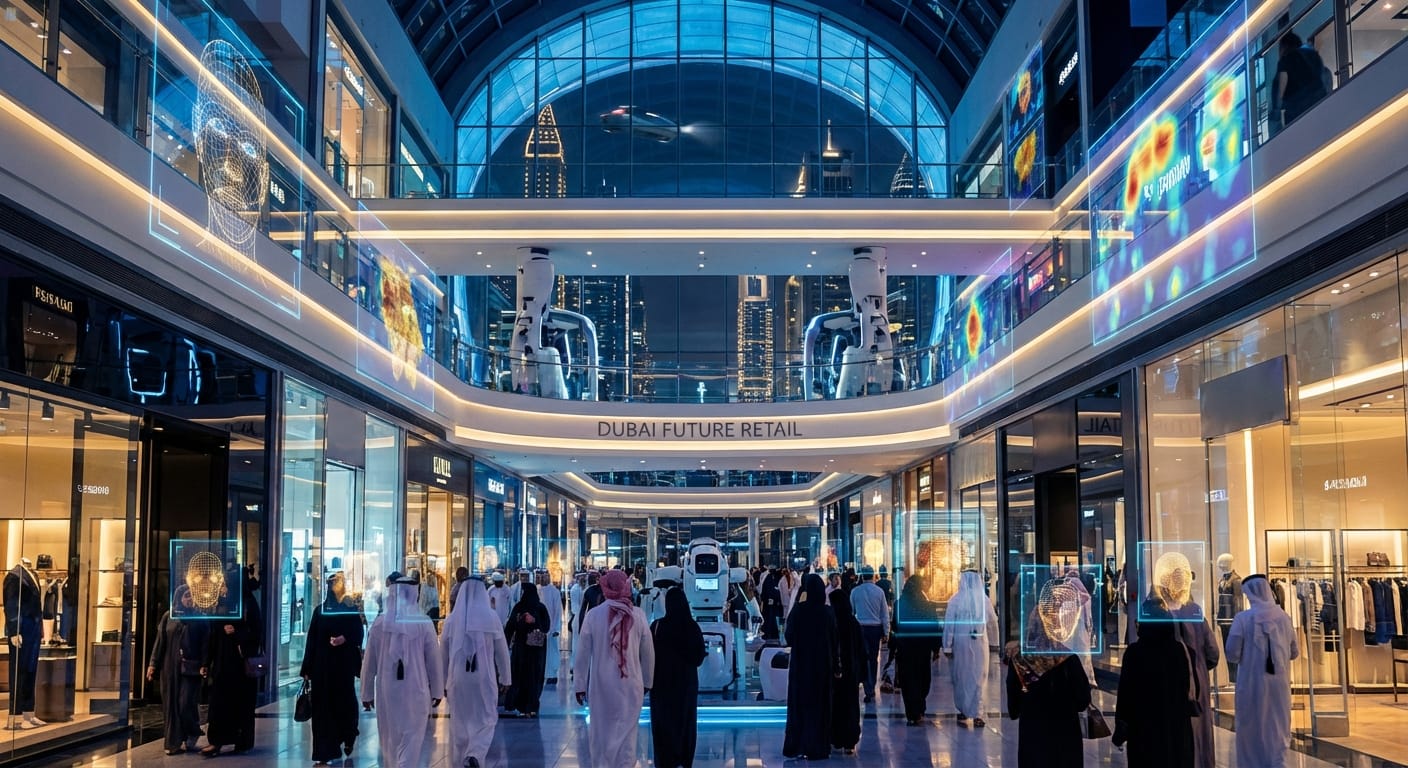
Every time I land in Dubai, I'm struck by the sheer velocity of its ambition. It's a city that doesn't just build for the present; it architects the future. For over 16 years, I've been immersed in digital transformation, guiding enterprises through technological shifts, but the changes happening here in the UAE feel different. They are more integrated, more audacious. We've moved beyond the theoretical promises of a "smart city" into a tangible reality where the digital and physical worlds are seamlessly intertwined. At the heart of this fusion is Computer Vision, an AI discipline that gives machines the power to see and interpret the world around us.
Many people associate AI with chatbots or data analytics, but its ability to process and understand visual data is arguably its most transformative application in the physical world. In a region that prioritizes both world-class security and unparalleled customer experiences, the applications are profound. At NICGulf, we are not just observers of this transformation; we are active participants, deploying advanced Computer Vision systems that are fundamentally changing how businesses secure their assets and understand their customers. It's about turning every camera from a passive recorder into an active, intelligent observer.
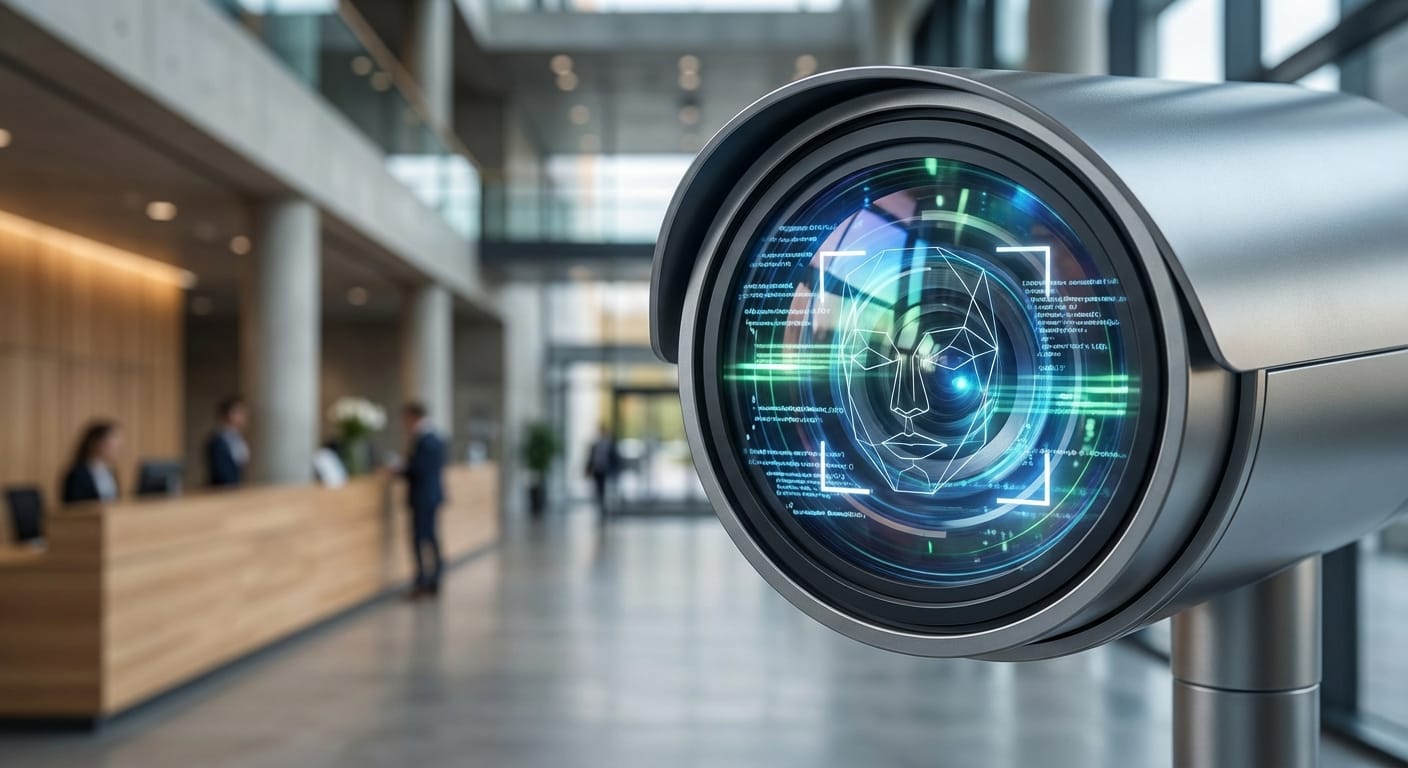
From the gleaming corporate headquarters in the DIFC to the bustling corridors of the world's largest malls, Computer Vision is the unseen engine driving a new standard of efficiency and intelligence. This isn't about surveillance; it's about service and security, delivered with a precision that was once the domain of science fiction.
Securing the Future: Facial Recognition for Seamless, Secure Access
In a fast-paced business environment, the traditional access card or key fob is becoming an archaic bottleneck. It's easily lost, can be stolen, and creates friction in what should be a seamless experience. This is where we're implementing one of the most powerful applications of Computer Vision: facial recognition for secure, touchless access control. The system is designed not to be an intimidating barrier, but an invisible, highly efficient gatekeeper.
How It Works: The Technology Behind the Convenience
At its core, a facial recognition system works in a few simple steps: it detects a face, analyzes its unique characteristics to create a digital signature (a "faceprint"), and compares that signature against a secure database of authorized individuals. Modern systems, powered by deep learning, are incredibly accurate, capable of distinguishing individuals even with changes in expression, facial hair, or accessories like glasses. We focus heavily on ethical implementation, ensuring robust data encryption and consent-based enrollment to protect privacy while delivering top-tier security.
A Micro-Story from the Field
I recall a project for a high-profile corporate tower in the Dubai International Financial Centre. Their challenge was twofold: they needed to upgrade their security to protect sensitive data and high-value assets, but they also wanted to enhance the daily experience for their hundreds of employees and VIP clients. The existing keycard system was causing queues during peak hours and was a constant administrative headache. We designed and deployed a multi-layered facial recognition system. Within weeks of going live, the feedback was astounding. Employees loved the effortless, hands-free entry, and the security team had a real-time, highly accurate log of entries and exits. The system could instantly flag unauthorized access attempts, providing a level of proactive security their old system could never match. It was a perfect example of technology serving people, making their day both safer and simpler.
The goal of advanced security isn't to build higher walls, but to create invisible, intelligent doorways that only open for the right people, at the right time.
Decoding Customer Behavior: Retail Analytics in Dubai's Malls
Dubai is a global retail capital, where understanding the customer is paramount. While online retailers have a wealth of data on clicks and conversions, brick-and-mortar stores have historically struggled to gain the same level of insight. Computer Vision is closing this gap. By analyzing video feeds from existing in-store cameras, we can provide retailers with an unprecedented understanding of customer behavior, all while respecting shopper anonymity.
From Footfall to Feelings: The Power of Heat-Mapping
One of the most impactful tools we deploy is heat-mapping. This technology aggregates movement data to create a visual map of a store, highlighting areas of high and low traffic. Red zones show where customers linger the most-perhaps a new promotion or a popular product-while blue zones indicate areas that are being overlooked. We can analyze customer paths to see the typical journey through a store, identify bottlenecks, and measure dwell time at specific displays. The applications are extensive:
- Optimized Store Layout: Retailers can redesign their floor plans to guide customers to underutilized areas and place high-margin items in high-traffic zones.
- Enhanced Product Placement: Data can prove which end-cap display is most effective or which product combinations attract the most attention.
- Improved Staffing: Managers can allocate staff to the busiest parts of the store during peak hours, improving customer service where it's needed most.
- A/B Testing In-Store: A retailer can test two different display layouts in a single week and use the data to definitively know which one performed better.
The table below illustrates the dramatic improvement Computer Vision offers over traditional retail analytics methods.
| Metric | Traditional Methods (Manual Counters, Surveys) | Computer Vision Analytics | Performance Uplift |
|---|---|---|---|
| Data Accuracy | ~70-80% (Prone to human error) | 98%+ (Automated & consistent) | Significant reduction in error |
| Data Granularity | Basic footfall counts | Heat maps, path analysis, dwell times, queue length | Rich, multi-dimensional insights |
| Real-Time Capability | Delayed (Data processed post-event) | Real-time dashboards & alerts | Enables immediate action |
| Scalability | Low (Requires more staff for more stores) | High (Software-based, easy to deploy across locations) | Cost-effective enterprise scaling |
The NICGulf Approach: Architecting Intelligent Vision Systems
Successfully implementing Computer Vision requires more than just installing cameras and software; it demands a strategic approach that aligns the technology with specific business goals. At NICGulf, our methodology is built on years of experience in enterprise-grade AI deployment.
- Strategic Discovery: We begin by working with stakeholders to pinpoint the key challenges and opportunities. Is the goal to reduce security friction, understand customer churn in a retail space, or monitor safety compliance on a construction site? Clear objectives are crucial.
- Infrastructure & Data Privacy Audit: We assess the existing camera and network infrastructure to ensure it can support the demands of real-time video analysis. Crucially, we design the system with a privacy-first mindset, incorporating data anonymization and secure storage protocols from day one.
- Custom Model Development & Integration: We don't believe in one-size-fits-all solutions. We select and fine-tune machine learning models specifically for the client's environment-whether it's the unique lighting of a mall atrium or the specific security needs of a data center.
- Actionable Insights & Training: The final step is to translate the raw data into actionable business intelligence. We create intuitive dashboards and train teams on how to use these new insights to make smarter, data-driven decisions that impact the bottom line.
Conclusion: The Vision for a Smarter Future is Clear
Computer Vision is no longer a niche technology for specialized industries. Here in the UAE, it has become a cornerstone of the modern digital enterprise, creating environments that are simultaneously more secure and more responsive to human needs. From seamless access control that enhances an employee's day to retail analytics that helps a brand build a better customer experience, the applications are as practical as they are powerful.
The journey to leveraging this technology is about having a clear vision and the right technology partner to bring it to life. The data is waiting to be seen, interpreted, and acted upon. If you are ready to explore how Computer Vision can give your organization a new set of eyes to see the future, I invite you to connect with our team at NICGulf. Let's build that future, together.