


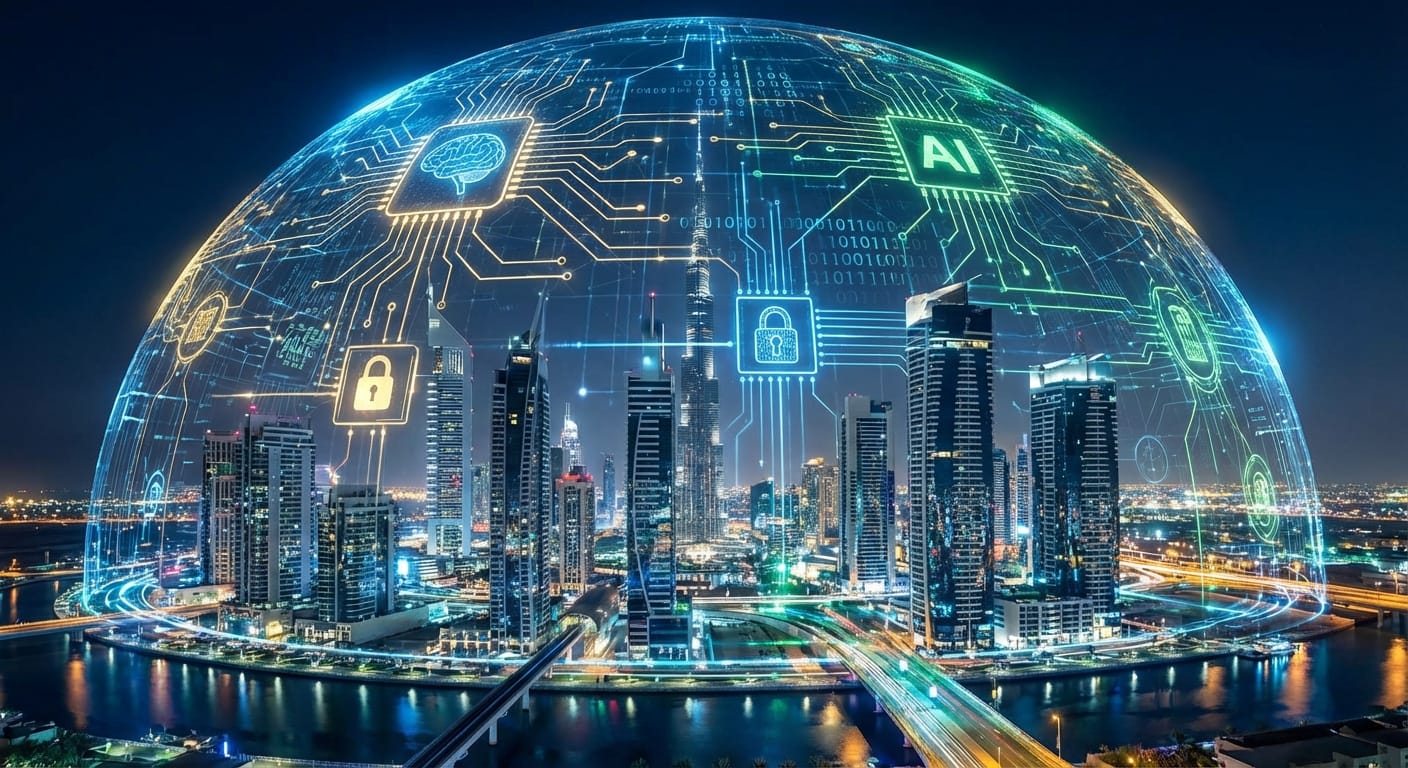
In my two decades of navigating the digital transformation landscape, I've witnessed incredible leaps of innovation. But nothing compares to the sheer ambition and velocity of the smart city projects materializing across the GCC. From the futuristic vision of NEOM to the hyper-connected urban fabric of Dubai, these initiatives are not just building cities; they are engineering the future of human living. Yet, with every smart sensor, connected vehicle, and digital public service, we are also laying down a new, intricate network of potential vulnerabilities. The very interconnectivity that promises unprecedented efficiency and quality of life also creates an expanded attack surface for cyber threats.
This is the central challenge of our time: how do we build these magnificent digital societies while ensuring they are resilient, secure, and worthy of the public's trust? The old models of cybersecurity-reactive, perimeter-based defenses-are simply no match for the sophisticated, AI-driven threats of today. The future of urban security requires a paradigm shift, and it's a shift being led by forward-thinking organizations like NICGulf, which are architecting the next generation of digital defense using the adversary's own tools: Artificial Intelligence.
Building a smart city is like constructing a modern marvel, but leaving its digital doors unlocked is an invitation for disaster. It's our responsibility as technology leaders to build the fortress walls just as meticulously as the city planners design the streets and buildings.
The Evolving Threat Landscape in Hyper-Connected Cities
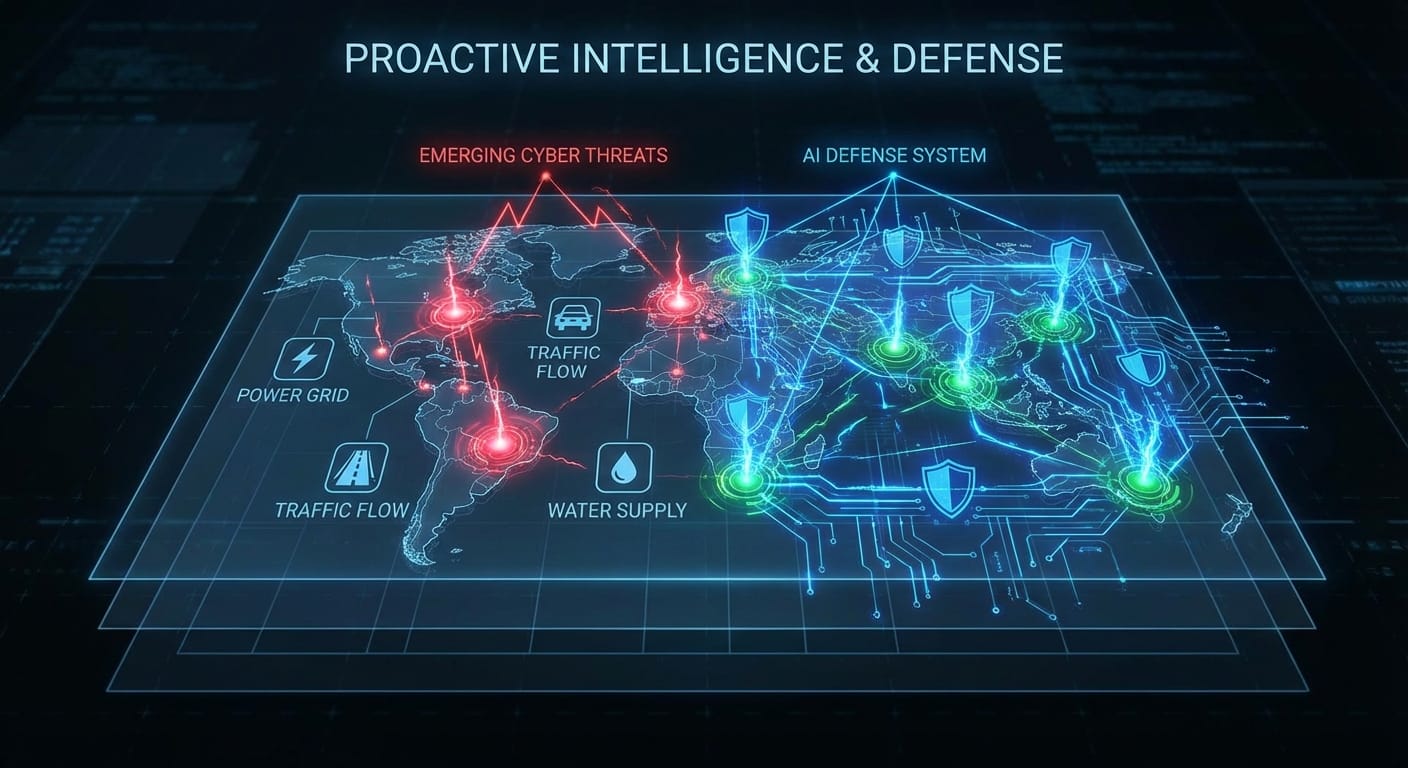
A smart city is a complex ecosystem. It's a network of networks where critical infrastructure-power grids, water supply, transportation systems, and healthcare services-is managed and optimized through IoT devices and centralized data platforms. While this integration drives efficiency, it also means that a single breach could have cascading, real-world consequences. A compromised traffic control system could cause city-wide gridlock; a hacked utility grid could lead to blackouts affecting millions. The stakes have never been higher.
From Digital Nuisance to Physical Threat
Historically, cyberattacks were largely confined to the digital realm, resulting in data theft or financial loss. In a smart city context, these threats cross the digital-physical divide. We are no longer just protecting data; we are protecting public safety and the fundamental functions of society. This requires a security posture that is not just robust but intelligent, predictive, and autonomous-one that can identify and neutralize threats before they can manifest as physical disruptions.
NICGulf's Proactive Defense: The AI-Powered Cybersecurity Framework
The core innovation that NICGulf brings to the table is the shift from a reactive to a proactive and predictive cybersecurity model. Instead of waiting for an alarm to sound, their AI-powered frameworks are designed to anticipate and identify threats in their earliest stages. It's the difference between installing a fire alarm and having a sentinel who can smell the smoke long before the flames appear.
In the digital age, cybersecurity is no longer an IT department issue; it is the fundamental bedrock of public trust, economic stability, and national resilience. Proactive defense is the premium we must pay to secure our future.
This intelligent framework operates on three core principles:
- Predictive Threat Intelligence: AI algorithms analyze global and local threat data, learning the tactics of malicious actors. This allows the system to predict potential attack vectors targeting a city's specific infrastructure and patch vulnerabilities before they can be exploited.
- Autonomous Anomaly Detection: Machine learning models establish a baseline of normal network activity across all connected city services. The AI continuously monitors billions of data points, instantly flagging any deviation from this baseline-whether it's an unauthorized device trying to connect to the network or unusual data traffic patterns-that could signify a breach.
- Automated Incident Response: When a credible threat is detected, the system doesn't just send an alert. It initiates an automated response. This could involve isolating the affected part of the network, blocking the malicious IP address, and deploying countermeasures in milliseconds-far faster than any human team could react.
- Over my career, I've seen firsthand the cost of reactive security. I remember a major e-commerce client about a decade ago. We had all the standard firewalls and monitoring tools. But when they were hit by a sophisticated Distributed Denial-of-Service (DDoS) attack, our team was in a frantic, all-hands-on-deck war room trying to mitigate the damage. By the time we contained it, their site had been down for hours during a peak sales period, costing them millions in revenue and eroding customer trust. Today, an AI-powered system like NICGulf's would have identified the command-and-control traffic of the botnet preparing the attack days in advance and neutralized it before it ever launched. That is the transformative power of proactive, AI-driven defense.
- This modern approach yields quantifiable improvements over legacy systems. A data-driven comparison makes the value proposition crystal clear.
- The essential components of this robust defensive posture include:
- Unified Security Platform: A single pane of glass that provides a holistic view of the entire city's digital infrastructure, from traffic lights to public health databases.
- Zero-Trust Architecture: A security model that assumes no user or device is inherently trustworthy, requiring strict verification for every access request.
- Continuous Learning and Adaptation: The AI models are not static; they continuously learn from new data, evolving to recognize and counter novel threats as they emerge.
- Data Sovereignty and Privacy: Ensuring that all sensitive public data is managed and protected in compliance with local regulations and the highest privacy standards.
- The grand vision for smart cities across the GCC is one of the most exciting developments in the world today. But this vision can only be fully realized if it is built on a foundation of unshakeable digital security. The work being done by NICGulf to deploy AI-powered cybersecurity frameworks is not just an ancillary service; it is an essential pillar enabling this future. By moving beyond outdated, reactive methods, they are providing the intelligent, autonomous, and predictive defense needed to protect our increasingly connected world.
- For public sector leaders and urban planners, investing in this level of advanced cybersecurity is no longer optional. It is a strategic imperative to safeguard critical infrastructure, maintain public services, and build lasting citizen trust. The future is bright, connected, and intelligent-and with the right security partners, it can also be safe.
Conclusion: Securing Tomorrow's Cities, Today
| Cybersecurity Metric | Traditional Security Operations Center (SOC) | NICGulf AI-Powered Framework |
|---|---|---|
| Mean Time to Detect (MTTD) | Hours to Days | Seconds to Minutes |
| Mean Time to Respond (MTTR) | Hours | Automated (Milliseconds) |
| False Positive Rate | Up to 40% | Below 5% |
| Scalability for IoT Devices | Limited; requires manual configuration | Highly scalable; AI adapts to new devices |