

In my work as a tech correspondent, particularly focusing on the intricate world of IoT and connected ecosystems here in Denmark, I've witnessed a significant evolution. We've moved from basic smart home gadgets to complex, interconnected systems that manage our environments. Yet, a persistent challenge has been how we truly control these systems and manage the data they generate. Clawdbot's approach to automation, specifically its 'Local First Agent Stack,' offers a refreshing and powerful solution to this ongoing discussion.
For years, the prevailing model for digital assistants and automation tools has been cloud-centric. We tell our devices what to do, and the heavy lifting happens on remote servers. This model, while convenient, often raises questions about privacy, data security, and the ultimate ownership of our digital interactions. Clawdbot's local-first philosophy fundamentally challenges this paradigm, shifting the focus back to the user and their own devices.
The Paradigm Shift: From Transient Chat to Durable Automation
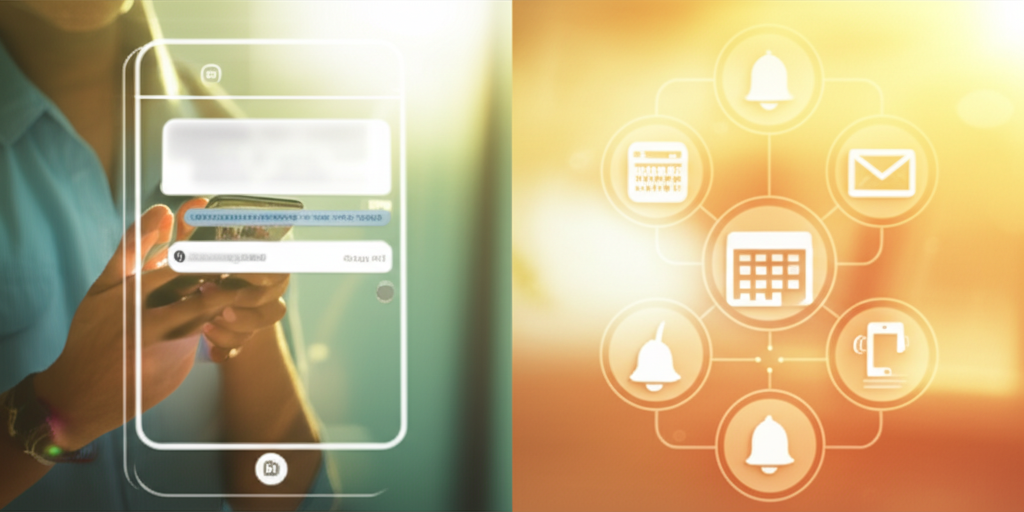
The core innovation of Clawdbot lies in its designation as a 'Local First Agent Stack.' This means that the processing power and data storage for your automations reside primarily on your own devices. Instead of a chat with an AI bot being a fleeting interaction that generates a request to a distant server, Clawdbot aims to transform these conversations into robust, user-owned automations.
Think of it as the difference between sending a postcard and writing a detailed, private letter that you keep in your own desk. The postcard's message is public and temporary. The letter is controlled, private, and can be referenced repeatedly. Clawdbot enables this latter approach for digital tasks. It's about creating persistent, actionable workflows directly on your hardware, rather than relying on ephemeral cloud connections.
Contrasting Cloud-Dependent Bots with Clawdbot's Philosophy
Traditional cloud-dependent bots, like many early iterations we see from major tech companies such as Amazon (Alexa) or Google (Assistant), rely on constant connectivity to cloud services. When you ask a question or issue a command, your device sends that query to the cloud for processing. While efficient for broad tasks, this model has inherent limitations. Data is transmitted, processed externally, and potentially stored on servers that you do not directly control.
Clawdbot, by contrast, operates on the principle that the most sensitive and personal data, and the logic governing your automations, should remain local. This Scandinavian-inspired approach to tech prioritizes user agency and transparency. We value our privacy and control over our interconnected devices. Clawdbot aligns perfectly with this ethos, ensuring that your interactions are processed securely and efficiently on your terms.
This local-first architecture is not just a technical detail; it's a statement about the future of AI and personal computing. It's about building systems that are more resilient, secure, and ultimately, more aligned with user needs. Over my six years covering IoT, I've seen numerous instances where data breaches or privacy concerns have eroded consumer trust. This has fueled a demand for more localized control.
I recall a specific project two years ago where a smart home company experienced a significant data breach. Personal usage patterns and even some sensitive device controls were exposed. It was a stark reminder that convenience offered by the cloud can come at a high price if not managed with utmost care. This experience made me keenly aware of the value of solutions that keep data closer to the user.
Practical Scenarios: Chatting Your Way to Smarter Workflows
The real power of Clawdbot's approach becomes evident when we look at practical use cases. It's about evolving simple chat commands into complex, automated workflows that truly enhance productivity.
From Conversation to Action: Real-World Examples
Imagine you're in a meeting using a collaborative platform like Slack. You might type a message like: 'Confirm the Q3 sales report data with project lead Alex by EOD tomorrow.' A traditional bot might just acknowledge the message. Clawdbot, however, could interpret this as a directive to initiate an automation. It could:
- Identify 'Alex' and locate their contact information.
- Access the relevant 'Q3 sales report' file, possibly from a local network drive or a secure cloud storage accessible by your local agent.
- Draft a concise message to Alex requesting confirmation, referencing 'EOD tomorrow.'
- Create a calendar reminder for yourself to follow up if Alex doesn't respond.
This entire process occurs on your machine, without the content of your meeting chat or the sensitive sales data being uploaded to external servers. This is where the transformation from transient chat to durable automation truly shines.
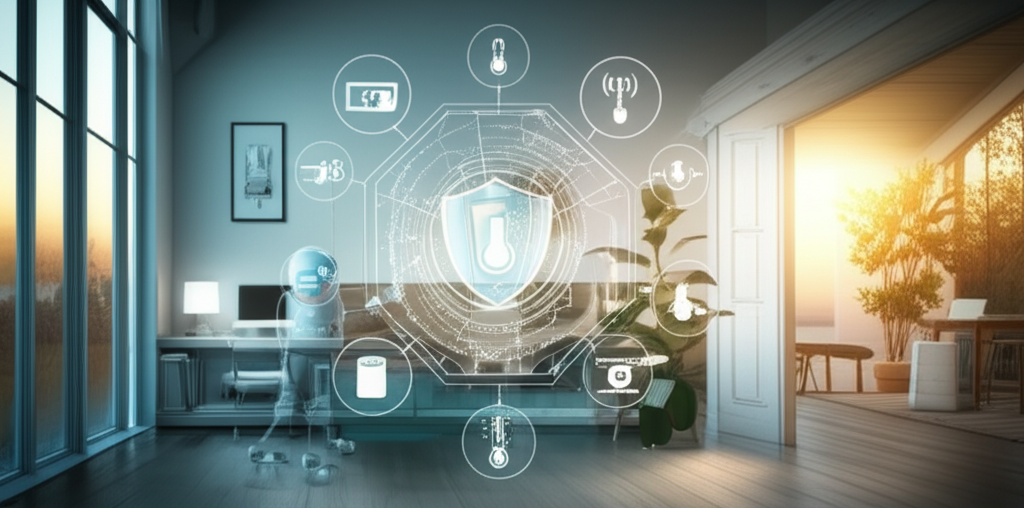
Another scenario involves managing connected devices. In a typical Nordic household, smart thermostats, lighting systems, and security cameras are becoming commonplace. Instead of managing each through separate cloud apps, Clawdbot could enable a unified, local control layer. You could simply chat: 'If the temperature drops below 18°C tonight and I'm not home, turn on the heating to 20°C and send me an alert.' Clawdbot's local agent would monitor your device status and location, executing the automation seamlessly and privately.
This level of integration and control is precisely what consumers in markets with high IoT adoption, like Scandinavia, are looking for. They want their smart devices to work together intelligently, but they also demand privacy and reliability, especially for security-related functions.
Clawdbot's local-first agent stack represents a critical step towards truly user-centric AI, where individual agency and data sovereignty are paramount in the design of our connected future.
Tangible Benefits: Privacy, Reliability, and User Agency
The architectural choice to prioritize local processing brings with it a host of tangible benefits that address many of the concerns associated with cloud-dependent AI:
- Enhanced Data Privacy: Your sensitive conversations, personal data, and device interactions remain on your device, significantly reducing exposure to external data breaches and misuse.
- Increased Reliability: Automations are not dependent on internet connectivity for every step. Core functions can operate even during network outages, ensuring consistent performance.
- Greater User Agency: You have direct control over your automations, their data, and their execution. This empowers users and fosters trust in AI technologies.
- Reduced Latency: Processing data locally minimizes communication delays, leading to faster and more responsive automation execution.
- Cost-Effectiveness: Over time, reducing reliance on extensive cloud infrastructure can lead to cost savings for both developers and users.
A Comparative Look at Automation Models
To better illustrate the differences, consider this comparison:
| Feature | Cloud-First Automation | Local-First Automation (Clawdbot) |
|---|---|---|
| Primary Processing Location | Remote Cloud Servers | User's Device(s) |
| Data Privacy Risk | Higher (External Data Handling) | Lower (Local Data Storage) |
| Offline Functionality | Limited or None | Robust |
| User Control over Logic | Limited by Platform APIs | Extensive and Direct |
| Dependence on Connectivity | High | Low |
Market research from sources like Gartner consistently shows increasing consumer demand for data privacy and control, with significant percentages (often over 60% in developed markets) expressing willingness to switch brands based on privacy policies. This trend underscores the market viability and appeal of local-first solutions.
The Future is Local: User-Centric AI Tools
Clawdbot's local-first agent stack is more than just an innovative piece of technology; it's a glimpse into the future of personal and professional productivity. As our devices become more integrated into our lives, the need for robust, private, and user-controlled automation will only grow. The Scandinavian emphasis on user well-being and environmental consciousness extends to our digital lives, demanding solutions that are not only functional but also ethical and empowering.
By shifting the paradigm from transient cloud interactions to durable, user-owned automations, Clawdbot empowers individuals and businesses alike. It's about building a more trustworthy and resilient digital ecosystem, one where your data and your control are paramount. I encourage you to explore how Clawdbot can redefine your interactions with technology and unlock a new level of productivity and peace of mind.