

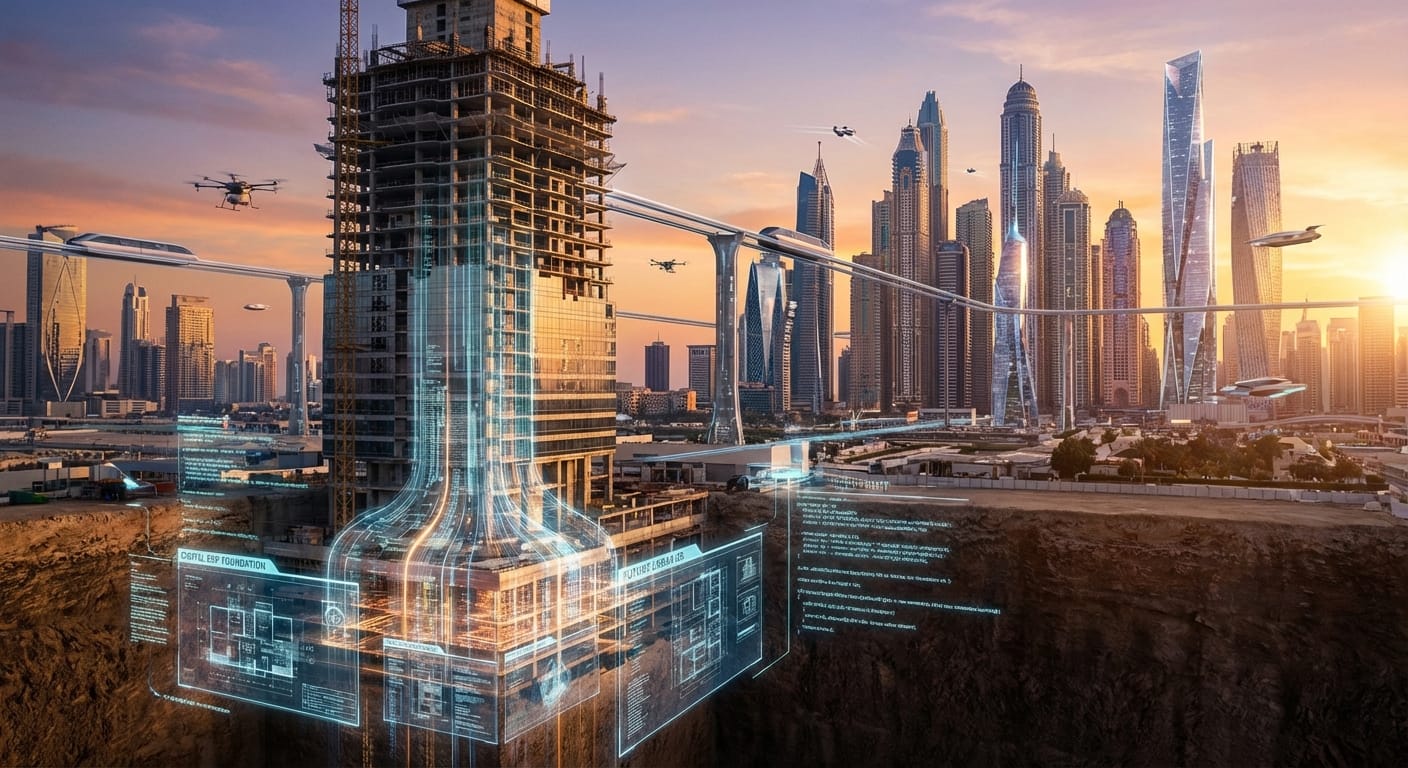
I've spent a quarter of a century in the trenches of technology, from building scrappy startups in Gujarat to advising global enterprises. In all that time, one truth has become brutally clear: complexity is the enemy of progress. And there is no industry more breathtakingly complex than large-scale construction. I look at the magnificent skylines rising across the Middle East-in Dubai, Riyadh, Doha-and I see more than just steel and glass. I see a million moving parts, a symphony of logistics, finance, and human effort that either works in harmony or collapses into a cacophony of delays and budget overruns.
For too long, the construction industry has relied on grit, experience, and a patchwork of disconnected software to manage this chaos. But grit doesn't scale when you're building a city-within-a-city. This is where the real work begins, not on the construction site, but in the digital architecture that underpins it. Companies like NICGulf are not just selling software; they are engineering a central nervous system for these megaprojects, integrating every disparate function into a single, intelligent platform with their customized ERP and CRM solutions.
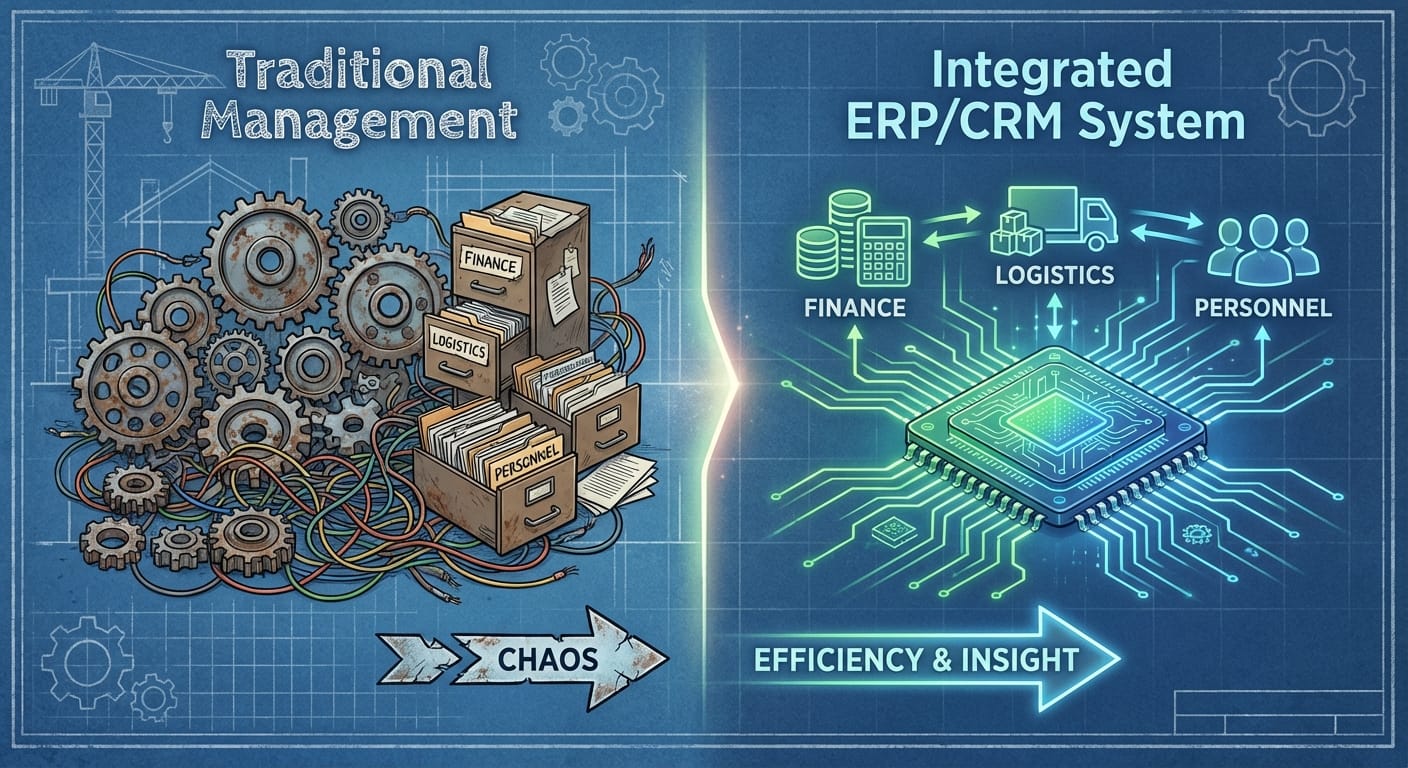
This isn't just another tech upgrade. It's a fundamental shift in how we build the future. It's about moving from managing chaos to orchestrating success, and it's a lesson every leader, in every industry, needs to understand.
The Digital Disconnect: Why Megaprojects Fail
The ambition in the Middle East's construction sector is unparalleled. We are witnessing the creation of entire new urban landscapes. Yet, according to industry reports from firms like McKinsey, large construction projects typically take 20% longer to finish than scheduled and are up to 80% over budget. Why? The problem isn't a lack of skill on the ground. The problem is a lack of data cohesion in the back office. The right hand-procurement-often has no real-time data from the left hand-on-site inventory. Finance is working off projections that were outdated a week ago. The client relationship team is making promises that the project managers can't possibly keep.
The Silo Mentality: A Blueprint for Inefficiency
In a typical large-scale project, you have dozens of subcontractors and departments, each operating within its own data silo. They use separate systems for accounting, project management, human resources, and supplier relations. This fragmentation creates information black holes. A simple change order can trigger a domino effect of delays, but because the data isn't integrated, no one sees the full impact until it's too late. This is not a sustainable model for building the smart cities of tomorrow.
Crafting a Unified Command Center: The NICGulf Approach
What NICGulf is doing is replacing this fragmented mess with a single source of truth. Their philosophy is that a construction company's ERP and CRM shouldn't be a generic, off-the-shelf product. It must be tailored to the unique, high-stakes environment of the industry. It must understand the language of blueprints, bills of quantities, and complex multi-phase timelines.
This reminds me of a project my team took on in the late 90s for a large textile manufacturer. We tried to implement a standard German ERP system. It was a disaster. The software was built for discrete manufacturing-making widgets-not the continuous, organic process of dyeing and weaving fabrics. We learned a hard lesson that has stayed with me for 25 years: the technology must conform to the business, not the other way around. NICGulf understands this. They don't sell a box; they build a bespoke digital foundation.
The Core Pillars of an Integrated Construction Platform
An effective, customized ERP/CRM for construction must seamlessly connect every critical function. The goal is total visibility. This typically involves several core modules working in perfect sync:
- Project Management and Costing: Real-time tracking of project progress against budgets, timelines, and resources.
- Financial Management: Integrating project accounting with corporate finance, ensuring every cost is tracked from bid to final invoice.
- Supply Chain and Procurement: Managing materials, equipment, and subcontractor workflows to prevent costly on-site delays.
- Human Capital Management (HCM): Handling everything from labor allocation and payroll to compliance and safety certifications for a vast, often transient workforce.
- Customer and Stakeholder Relationship Management (CRM): Centralizing communication with clients, investors, and regulatory bodies, ensuring transparency and trust.
Technology is no longer a support function in construction; it is the primary tool for risk management. An integrated ERP is the ultimate insurance policy against the chaos of complexity.
The Tangible Impact: From Smarter Management to Stronger Margins
When you replace guesswork with data, the results are immediate and transformative. Decisions are made faster and with greater confidence. Risks are identified before they become crises. The entire project lifecycle becomes more predictable and, ultimately, more profitable. The numbers speak for themselves, showcasing a clear divide between traditional methods and a modern, integrated approach.
| Performance Metric | Traditional Siloed Approach | With NICGulf Integrated ERP/CRM | Average Improvement Rate |
|---|---|---|---|
| Budget Adherence | Frequent Overruns (15-30%+) | Improved cost control; deviations under 5% | Up to 25% cost savings |
| Project Completion Time | Common delays and extensions | Proactive scheduling reduces delays | 15-20% faster completion |
| Resource Utilization | Inefficient; idle equipment/labor | Optimized allocation across projects | ~20% improvement |
| Decision Making Speed | Slow, based on manual reports | Real-time data via dashboards | Over 75% faster |
This data isn't just academic. For a construction firm, these improvements translate directly to a stronger bottom line, a better reputation, and the ability to take on even more ambitious projects. The key benefits are clear:
- 360-Degree Project Visibility: Leaders can see the health of every project from a single dashboard.
- Proactive Risk Mitigation: AI-driven analytics can flag potential budget or schedule issues before they escalate.
- Streamlined Operations: Automation of routine tasks like invoicing and reporting frees up teams to focus on high-value work.
- Enhanced Stakeholder Trust: Transparent, data-backed updates build confidence with clients and investors.
Conclusion: Your Foundation Must Be Digital
Building the future is no longer just a matter of engineering and materials. It's a matter of information. The most critical foundation for any modern megaproject is the digital one. Without a robust, integrated, and customized ERP/CRM system, construction companies are essentially building on sand. They are leaving their success to chance, vulnerable to the crippling effects of complexity.
The work NICGulf is doing in the Middle East is a powerful blueprint for the global construction industry. It proves that by investing in a unified digital core, you can conquer complexity, control costs, and deliver truly monumental projects on time and on budget. As a leader, you must ask yourself: Is your organization's operating system as strong as the structures you aim to build? If not, it's time to start laying a new foundation.